Mantenimiento de pinzas: limpie los conos de asiento en cada cambio, inspeccione alojamientos, ranuras y descentramiento según programa, reemplace según tendencia. BQUQ envía datos de inspección con cada lote.
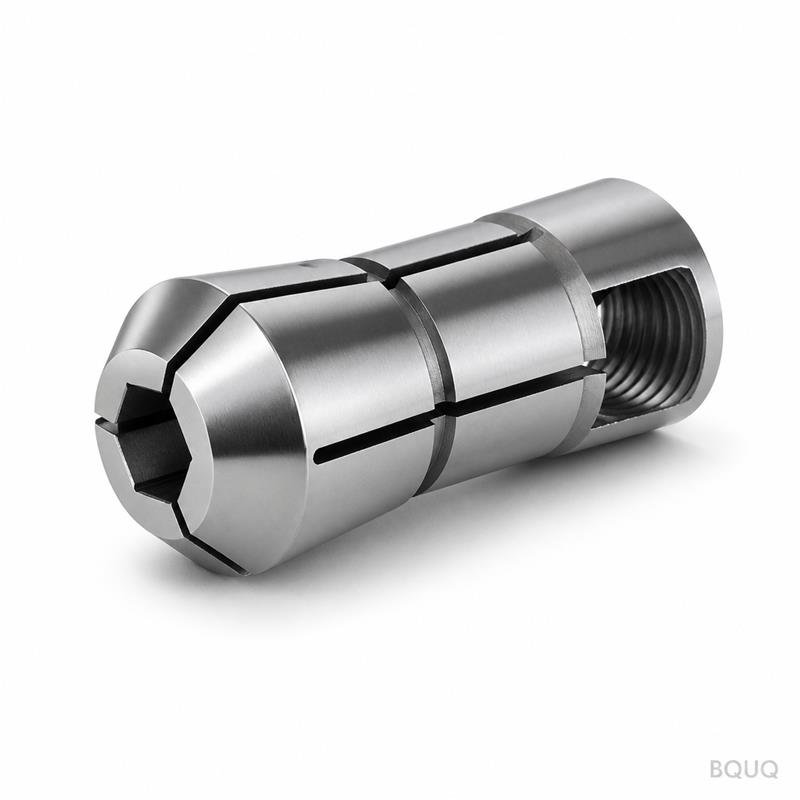
Mantenimiento de Pinzas: Limpieza, Inspección y Cuándo Reemplazarlas
El mantenimiento de las pinzas es una disciplina programada, no una reparación de emergencia: limpie los conos de asiento cada turno o dos, inspeccione los alojamientos y las raíces de las ranuras en un calendario fijo, mida el descentramiento con un calibre maestro en cada configuración y reemplace la pinza cuando el desgaste del alojamiento, el desgaste del cono o las grietas en las ranuras comiencen a mover la tolerancia de su pieza — nunca espere a que las piezas defectuosas anuncien la falla.
Una pinza de muelle es un consumible de precisión que trabaja en el entorno más sucio del taller. Sujeta barras de material cubiertas de refrigerante y virutas finas, se flexiona miles de veces al día y se desgasta donde es más difícil de ver: dentro del alojamiento y en el cono de asiento. Debido a que el desgaste es gradual, el modo de fallo no es un choque — es una deriva lenta de los diámetros de las piezas y del descentramiento que silenciosamente devora el rendimiento. El programa de mantenimiento que detecta esa deriva es barato; las piezas defectuosas que previene no lo son.
Limpieza: La Solución Gratuita que la Mayoría de los Talleres Omiten
La mayoría de los problemas de descentramiento de las pinzas son problemas de suciedad. Una viruta o una mancha de material acumulado entre la pinza y su cono de asiento levanta la pinza excéntricamente más que toda su clase de descentramiento. Un grano de viruta bajo un cono puede añadir más descentramiento que una pinza desgastada, y su eliminación no cuesta nada.
Limpie el cono de asiento y el cono de la pinza en cada cambio de pinza y según un programa fijo durante el funcionamiento continuo — como mínimo diariamente para autos de barra. Use un paño sin pelusa y un disolvente limpio; nunca cepille con alambre un cono rectificado, nunca use almohadillas abrasivas en el alojamiento y nunca lime una pinza para "arreglar" una marca. El alojamiento y el cono son superficies rectificadas medidas en micras; la limpieza agresiva es en sí misma un mecanismo de desgaste.
| Tarea de limpieza | Frecuencia (típica) | Por qué |
|---|---|---|
| Cono de asiento y nariz del mandril | Cada cambio de pinza | La suciedad aquí eleva el descentramiento instantáneamente |
| Cono y alojamiento de la pinza | Diario en uso continuo | El residuo de refrigerante se seca y forma abrasivo |
| Ranuras y raíces de ranuras | Semanal | Las virutas acumuladas bloquean el cierre |
| Inspección completa de la pinza | Según programa de mantenimiento | Detectar el desgaste antes de las piezas defectuosas |
La conclusión es que la frecuencia de limpieza debe seguir la carga de viruta: un trabajo de barra de latón o aluminio necesita una limpieza menos agresiva que el acero inoxidable, y una máquina que corta en seco necesita una rutina diferente a una que inunda con refrigerante.
Inspección: Qué Buscar y Cómo
La inspección es una verificación visual más una verificación de medición. Visualmente, examine el alojamiento en busca de rayones, agarrotamiento o un anillo pulido en la zona de sujeción que indique que el alojamiento ha desgastado su holgura de trabajo; observe las raíces de las ranuras con aumento para detectar las grietas capilares que preceden a un dedo roto; verifique el cono en busca de marcas de brinelado o agarrotamiento por asientos repetidos bajo carga.
La verificación de medición es el descentramiento con un calibre maestro. Monte la pinza, inserte un calibre maestro rectificado del tamaño de alojamiento correcto y lea el descentramiento total indicado cerca de la nariz. Mantenga un registro: una pinza que marcaba 0.004 mm en la instalación y marca 0.011 mm seis meses después tiene una historia de desgaste que contar incluso si aún está dentro de un límite de aceptación amplio. La tendencia, no la lectura individual, es la señal.
| Verificación | Método | Disparador de reemplazo (típico) |
|---|---|---|
| Desgaste del alojamiento | Visual + tendencia del diámetro de la pieza | El tamaño final deriva hacia el límite |
| Grietas en ranuras | Visual con aumento en raíces | Cualquier grieta capilar |
| Desgaste/agarrotamiento del cono | Visual en la superficie de asiento | Marcas de agarrotamiento o cambio en la profundidad de asiento |
| Descentramiento | Indicador sobre calibre maestro | TIR excede la clase por ~2x |
| Deslizamiento de sujeción | Prueba de par/tracción a la fuerza de arrastre nominal | La barra gira o se tira bajo carga |
Los disparadores típicos son una guía: un taller que mantiene características de ±0.01 mm reemplaza las pinzas antes que un taller que trabaja con ±0.05 mm. La disciplina que importa es escribir los disparadores y verificarlos según el programa.
El Ritmo de Inspección Programado
El cuidado preventivo de las pinzas funciona con tres relojes. El reloj de configuración: cada vez que se instala una pinza, límpiela y verifique el descentramiento con un calibre maestro antes de cortar la primera pieza. El reloj de turno: limpieza diaria, verificación semanal de ranuras y un ojo en los diámetros de las piezas. El reloj de calendario: una inspección completa — medición del alojamiento, tendencia del descentramiento, verificación de grietas — mensual para producción continua, trimestral para servicio más ligero.
Entre esos relojes, deje que las piezas hablen. Las tendencias de diámetro son el monitor de salud de pinzas más sensible que tiene, porque el desgaste del alojamiento se manifiesta como un tamaño final que se arrastra antes de que aparezca cualquier signo visual. Un taller que grafica sus datos de diámetro SPC detectará una pinza moribunda dos semanas antes que un taller que solo reacciona a piezas fuera de tolerancia.
Saber Cuándo Reemplazar: La Economía
Vale la pena reemplazar una pinza cuando su contribución al error de la pieza excede su parte del presupuesto de tolerancia — no cuando deja de funcionar. Operar una pinza desgastada para ahorrar un pequeño precio de compra es una falsa economía: el costo aparece como retrabajo, piezas defectuosas y el tiempo de máquina dedicado a perseguir un problema que se diagnosticó meses antes con la tendencia del descentramiento.
Reemplace inmediatamente, sin debate, cuando aparezca cualquier grieta en una ranura — un dedo roto a velocidad de husillo es un evento de daño a la máquina, no un problema de calidad. Reemplace cuando el descentramiento en el calibre maestro se haya duplicado desde la lectura de instalación o exceda la clase que sus piezas necesitan. Reemplace cuando las piezas se deslicen bajo la fuerza de arrastre normal. Y reemplace en juegos emparejados donde la aplicación lo requiera — un mandril que opera dos pinzas alternadamente no debe mezclar una pinza nueva con una desgastada si ambas alimentan la misma tolerancia.
| Condición | Acción |
|---|---|
| Grieta en raíz de ranura | Reemplazar inmediatamente (seguridad) |
| Descentramiento duplicado vs. instalación | Reemplazar o reclasificar |
| Deslizamiento de sujeción a la fuerza nominal | Reemplazar |
| Tendencia de diámetro de pieza a la deriva | Investigar desgaste del alojamiento; reemplazar si se confirma |
| Agarrotamiento en el cono | Reemplazar; encontrar la causa del asiento |
Almacenamiento y Manejo
Las pinzas son piezas de precisión rectificadas que se tiran en cajones — las herramientas de precisión menos defendidas en muchos talleres. Almacénelas en un estante o estuche etiquetado, protegidas entre sí: dos pinzas que tintinean juntas en un cajón de acero dañan los mismos alojamientos y conos que está tratando de proteger. Mantenga las superficies de asiento limpias y ligeramente aceitadas contra la oxidación en climas húmedos; nunca deje una pinza sujeta en una barra durante semanas, porque los dedos pueden tomar una deformación permanente en la posición de sujeción.
Marque o rastree las pinzas por tamaño y clase para que una pinza desgastada o sospechosa no pueda confundirse con una buena. Algunos talleres pintan un anillo o graban una identificación en la cara posterior; cualquiera que sea el método, una pinza con historial de desgaste desconocido debe ser reverificada como una nueva antes de entrar en un trabajo crítico de tolerancia.
Integrando el Hábito en la Producción
El programa de mantenimiento más barato es el que se adjunta a las rutinas existentes: limpie y verifique el descentramiento en cada configuración (toma dos minutos con el indicador ya en mano), grafique los diámetros de las piezas (el sistema SPC ya está funcionando) y programe las inspecciones completas con la misma frecuencia que otro mantenimiento de máquina. Nuestra guía de instalación de mandriles de pinza cubre las verificaciones de configuración, y la lógica del presupuesto de descentramiento en descentramiento de pinzas explicado le dice cuán estricto debe ser su disparador de reemplazo para las tolerancias que mantiene.
Cuando una pinza está genuinamente desgastada, reemplácela con la misma clase con la que comenzó — y verifique el certificado de la nueva pinza al llegar. BQUQ mecaniza pinzas de muelle para torno automático en las familias 36/46/52/60/630/643 de aleación endurecida y acero para muelles y envía datos de inspección de dureza y descentramiento con cada lote, para que el reemplazo comience su vida con un número conocido. Vea la gama de pinzas para torno automático y los mandriles de pinza suizos y 2J, y envíe los detalles de su máquina a sc@bquq.com cuando necesite una cotización dentro de 12 horas hábiles.
Preguntas Frecuentes
P: ¿Con qué frecuencia debo limpiar mis pinzas?
R: Limpie los conos de asiento en cada cambio de pinza y los alojamientos y conos diariamente en trabajo continuo de barra. Las virutas y el refrigerante seco son la causa número uno del descentramiento que parece desgaste — la limpieza es la solución gratuita.
P: ¿Cuál es el signo más fiable de que una pinza está desgastada?
R: La tendencia de los diámetros de sus piezas y la lectura de descentramiento en un calibre maestro. Cuando el TIR se ha duplicado desde la lectura de instalación, o el tamaño final sigue derivando, la pinza le está diciendo que ha terminado — reemplácela antes de que genere piezas defectuosas.
P: ¿Se puede reparar una pinza agrietada?
R: No. Una grieta en la raíz de una ranura es una falla por fatiga y la pieza está terminada; rectificarla o soldarla solo crea una nueva muesca. Reemplácela inmediatamente — un dedo roto a velocidad puede dañar la máquina.
P: ¿Cuánto debería durar una pinza?
R: Depende del servicio: el material de la barra, la tasa de ciclo, la limpieza y la tolerancia que mantiene establecen la vida útil, desde semanas en trabajo abrasivo de acero inoxidable hasta años en trabajos ligeros de latón. Rastree el descentramiento y los diámetros, y reemplace según tendencia, no según un conteo fijo de horas.
P: ¿Es seguro limpiar una pinza con almohadillas abrasivas?
R: No. El alojamiento y el cono son superficies rectificadas con geometría a nivel de micras; cualquier abrasivo elimina la superficie que está tratando de preservar. Use disolvente y paño sin pelusa, y trate las caras rectificadas como las superficies de precisión que son.
Escrito por el Equipo de Ingeniería de BQUQ. BQUQ es una fábrica fuente certificada ISO9001 en Dongguan, China, que opera líneas de mecanizado CNC, estampado de metales, muelles personalizados, disipadores de calor y pinzas bajo un mismo techo. Envíe dibujos a sc@bquq.com o WhatsApp +86 13713157787 para una cotización dentro de 12 horas hábiles. www.bquq.com