Recubrimiento de contactos eléctricos estampados: oro, estaño, níquel y plata en resistencia de contacto, desgaste, corrosión y costo, desde una fábrica ISO9001 en Dongguan.
Recubrimiento de Contactos Estampados: Oro, Estaño y Níquel, Dónde Pertenece Cada Uno
Respuesta breve: el oro se utiliza donde el contacto debe permanecer fiable durante decenas de miles de ciclos a bajo voltaje; el estaño se utiliza donde el costo manda y la conexión se realiza una vez u ocasionalmente; el níquel se coloca debajo de ambos como barrera que impide que el cobre migre a la superficie. Los tres metales no son rivales, sino una pila, y la ingeniería consiste en elegir el espesor correcto de cada uno según el servicio: fuerza de contacto, ciclos, temperatura y entorno.
Un contacto estampado de latón o bronce fosforoso funciona bien durante un día. Las aleaciones de cobre desnudas se oxidan en semanas al aire, y la película de óxido es un aislante que convierte un conector en una resistencia o en un circuito abierto. El recubrimiento existe para mantener la interfaz de acoplamiento conductora durante la vida real de la pieza. Qué metal, qué espesor y dónde en la pieza (selectivo o cobertura total) es una decisión de costo frente a fiabilidad que puede tomar antes de enviar el dibujo.
Qué Hace Realmente Cada Metal
Cada metal de recubrimiento tiene una función que realiza mejor que los demás, y elegir por "cuál es el estándar" en lugar de por mecanismo es cómo fallan los conectores en el campo.
| Recubrimiento | Función principal | Falla cuando |
|---|---|---|
| Oro (oro duro típico) | Resistencia de contacto baja y estable durante muchos ciclos | Costo, o se usa donde el estaño sería suficiente |
| Estaño (mate o brillante) | Superficie estable de bajo costo y soldable | Microfrotamiento a baja fuerza, soldadura en frío, fluencia |
| Níquel | Barrera y subcapa dura | Usado solo en un contacto crítico de bajo voltaje |
| Plata | Resistencia más baja, alta corriente | Se empaña en aire con azufre; necesita fuerza para romper la película |
| Paladio / paladio-níquel | Alternativa al oro para circuitos secos de larga vida | Costo, procesos especiales |
Conclusión: el mecanismo importa más que el nombre del metal. El oro y el paladio son nobles (no se oxidan), por lo que los circuitos de baja fuerza y bajo voltaje permanecen fiables. El estaño protege siendo de sacrificio y es adecuado cuando la fuerza de acoplamiento es suficientemente alta para romper su óxido. La plata conduce superbamente pero se empaña, por lo que es un metal para contactos de potencia, no para contactos de señal.
Dónde Pertenece Cada Uno
La aplicación decide el recubrimiento más que la preferencia. Un contacto de batería que se acopla una vez al año no necesita oro. Un pin de conector clasificado para 10,000 inserciones que transporta señales lógicas de 5 V no puede sobrevivir solo con estaño. La tabla siguiente es el mapa práctico que usamos al revisar dibujos en la línea de terminales y contactos estampados.
| Aplicación | Recubrimiento típico | Por qué |
|---|---|---|
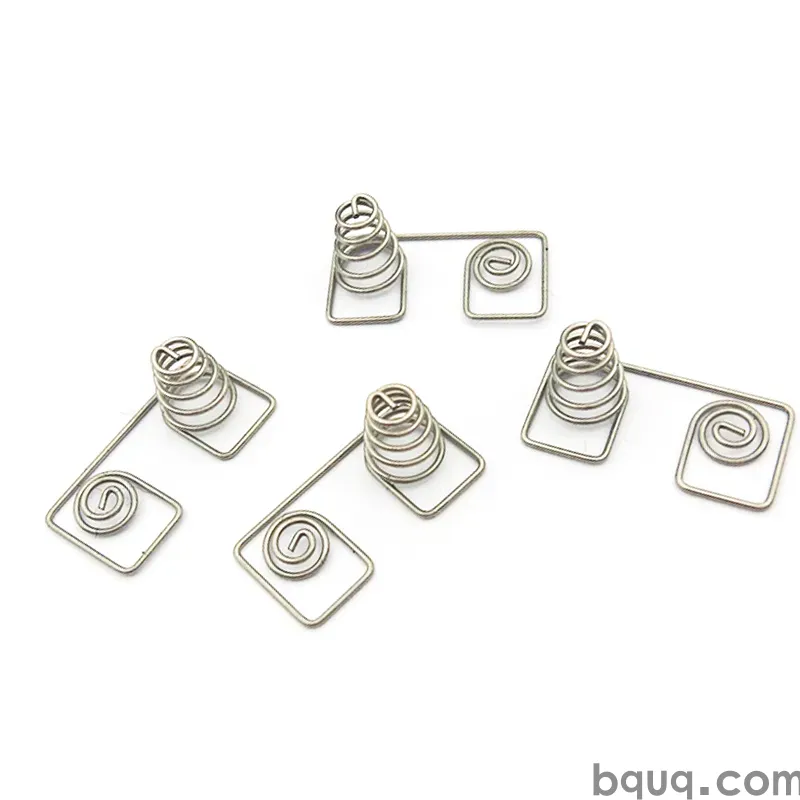
| Contactos de batería, bajo costo | Estaño, 2–5 µm, o níquel | Pocos ciclos, alta fuerza, impulsado por costo |
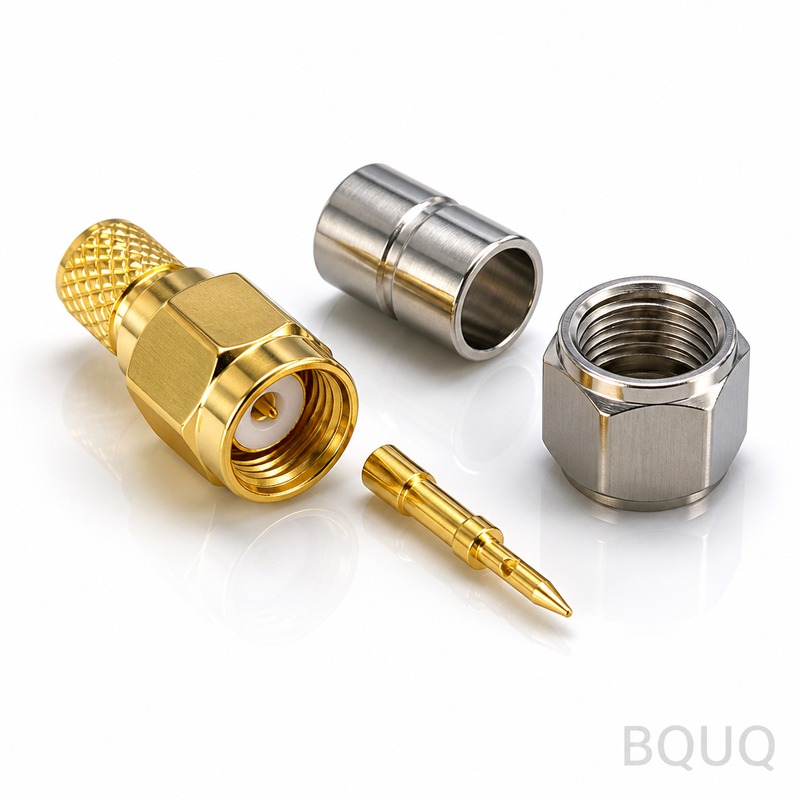
| Pines de conector de señal | Oro 0.1–0.76 µm sobre níquel | Bajo voltaje, muchos ciclos, no se permite óxido |
| Terminales de potencia, crimpado | Estaño sobre níquel, 2–8 µm | Junta soldable y resistente a la corrosión |
| Contactos de relé e interruptor | Plata o flash de oro sobre plata | Conducción de corriente con resistencia estable |
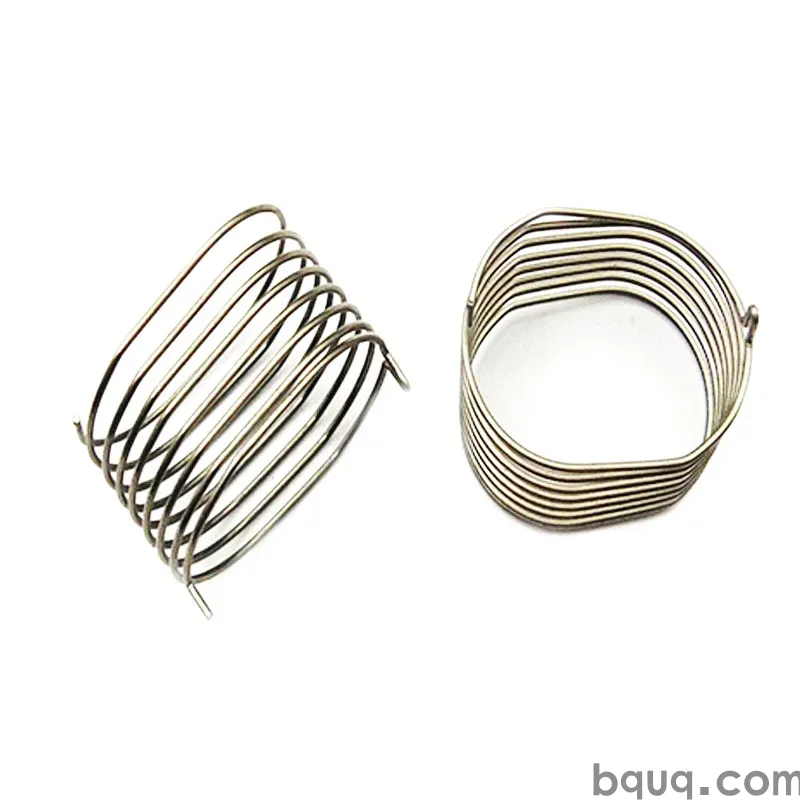
| Dedos de muelle EMI | Flash de oro o estaño sobre níquel | Desgaste y corrosión en contactos flexibles |
| Contactos de alta temperatura | Níquel o paladio-níquel | El oro migra/se ablanda por encima de ~150 °C de uso |
La columna de conclusión es la regla: el número de ciclos y el voltaje deciden la nobleza, la corriente decide el espesor, y la temperatura descarta las opciones incorrectas. Especifique el recubrimiento por función en cada zona de contacto, no "todo bañado en oro".
Cómo Leer una Especificación de Recubrimiento
El espesor del recubrimiento se indica en micrómetros (µm) o micropulgadas (µin), y los números son pequeños: 0.76 µm de oro son 30 µin y no se aprecian a simple vista, pero es una especificación industrial seria. Lo que el dibujo debe indicar: metal, rango de espesor, subcapa, grado de dureza y qué áreas están recubiertas si es selectivo. Una indicación simple de "bañado en oro" es una suposición, y la fábrica cotizará la suposición en el extremo superior del rango.
| Recubrimiento | Espesor típico | Subcapa típica |
|---|---|---|
| Oro duro, grado conector | 0.1–0.76 µm (4–30 µin) | Níquel 1–3 µm |
| Estaño, mate | 2–8 µm | Níquel 1–2 µm opcional |
| Níquel solo | 1–5 µm | Ninguna |
| Plata | 2–10 µm | Níquel o flash de cobre |
| Paladio-níquel | 0.4–1.5 µm | Níquel 1–3 µm |
Conclusión: la subcapa no es un relleno opcional. El níquel impide que el cobre y el zinc de la aleación base difundan a través del oro, lo que oxidaría la superficie y recrearía el problema exacto que el recubrimiento debía resolver. Oro sin subcapa de níquel es una bomba de corrosión de tiempo retardado sobre latón.
Recubrimiento de Banda vs. Recubrimiento Selectivo
Cómo se aplica el recubrimiento importa tanto como qué se aplica. Para piezas estampadas hay tres vías: recubrir la banda antes del estampado, recubrir las piezas terminadas a granel, o recubrir selectivamente solo las zonas de contacto en el proceso de banda. El recubrimiento de banda antes del estampado es la norma para contactos eléctricos estampados de alto volumen: el recubrimiento es uniforme y el troquel nunca ve productos químicos de recubrimiento.
El recubrimiento selectivo reduce el costo drásticamente, porque el oro se cotiza por área. Una línea de bobina a bobina puede recubrir una banda de 0.5 mm de oro exactamente donde el contacto hace la fricción, dejando el resto de la banda desnuda o recubierta de estaño. El uso de oro se reduce a una fracción de la cobertura total, lo que en un pedido de 100,000 piezas supone un ahorro de cinco cifras. El recubrimiento en tambor después del estampado es el más barato pero cubre todo, recubre de manera desigual en las esquinas y puede dañar la delicada geometría estampada en el volteo.
| Vía | Cobertura | Costo | Uso típico |
|---|---|---|---|
| Recubrimiento completo de banda | Todas las superficies | Moderado | Simplicidad, protección contra corrosión en todas partes |
| Recubrimiento selectivo de banda | Solo banda de contacto | Menor uso de oro | Contactos de oro de alto volumen |
| Tambor después del estampado | Todas las superficies | Barato por pieza | Estaño/níquel en piezas robustas |
| Bastidor después del estampado | Todas las superficies | Más alto | Piezas grandes, espesor controlado |
Conclusión: para el oro, solicite siempre recubrimiento selectivo antes de asumir que la cobertura total es más barata. El troquel y la línea de recubrimiento deben coordinarse: la banda se recubre donde estará la futura zona de contacto, por lo que el recubrimiento se diseña en la disposición de la banda, no se añade al final.
Fallos Comunes en el Campo y sus Soluciones
La mayoría de las quejas sobre recubrimiento se deben a tres causas. Primera, oro demasiado fino sobre una superficie porosa: la porosidad permite que el metal base se corroa a través de microporos, y la solución es un espesor adecuado más subcapa de níquel. Segunda, microfrotamiento del estaño: la vibración de baja fuerza frota el óxido de estaño hasta convertirlo en una superficie de alta resistencia, por lo que los contactos de estaño necesitan alta fuerza de acoplamiento u otro metal. Tercera, fragilización por hidrógeno o contaminación de la química de recubrimiento en materiales de muelle, que se manifiesta como contactos de muelle estampados agrietados o fallidos después del ensamblaje.
Debido a que el recubrimiento es un proceso químico sobre una pieza mecánica, el fabricante de la pieza y el recubridor deben ser copropietarios de la especificación. Bajo nuestro sistema ISO9001 en BQUQ, los lotes recubiertos se envían con registros de espesor de recubrimiento trazables al lote de banda, de modo que cuando un contacto se comporta mal en el campo, puede verificar el recubrimiento real, no la intención.
Preguntas Frecuentes
P: ¿Por qué poner níquel debajo del oro en un contacto estampado?
El níquel es la barrera de difusión. Sin él, el cobre y el zinc de la base de latón migran a través del oro fino y se oxidan en la superficie, aumentando la resistencia de contacto. El níquel también añade dureza, por lo que el oro se desgasta menos en contactos deslizantes.
P: ¿Cuándo es suficiente el recubrimiento de estaño para un contacto?
Cuando la conexión se realiza raramente o una vez, la fuerza de acoplamiento es alta y el costo manda: contactos de batería, terminales de crimpado, terminales de potencia. El óxido de estaño se rompe bajo alta fuerza de contacto, por lo que los contactos de señal de baja fuerza no deberían depender de él.
P: ¿Qué espesor debe tener el recubrimiento de oro?
Para circuitos secos de grado conector, 0.1–0.76 µm (4–30 µin) de oro duro sobre 1–3 µm de níquel cubre la mayoría de las necesidades. El oro más grueso compra vida de desgaste, no menor resistencia: más allá de aproximadamente 1 µm está pagando por ciclos, no por conductividad.
P: ¿El estampado después del recubrimiento daña el recubrimiento?
El recubrimiento se aplica a la banda antes del estampado en la vía de alto volumen, y el troquel puede agrietar o manchar el recubrimiento en curvaturas cerradas y bordes de cizallamiento. Por eso el espesor y la dureza del recubrimiento se especifican juntos, y por qué se inspecciona la calidad del borde en las zonas de contacto.
P: ¿Qué recubrimiento debe usar un muelle de contacto de batería?
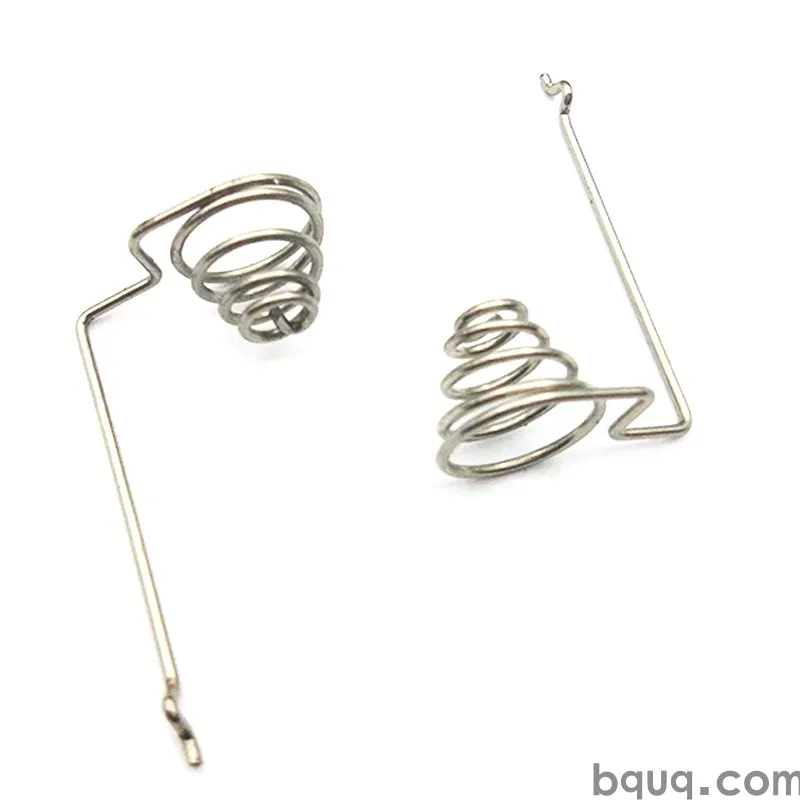
Estaño sobre níquel es la respuesta económica para la mayoría de los contactos de batería, con plata para versiones de alta corriente. Si el muelle debe sobrevivir muchas inserciones a baja fuerza, cambie a flash de oro sobre níquel: el costo adicional compra vida de ciclos.
Redactado por el Equipo de Ingeniería de BQUQ. BQUQ es una fábrica fuente certificada ISO9001 en Dongguan, China, que opera mecanizado CNC, estampado de metales, muelles personalizados, disipadores de calor y líneas de pinzas bajo un mismo techo. Envíe dibujos a sc@bquq.com o WhatsApp +86 13713157787 para una cotización dentro de 12 horas hábiles. www.bquq.com