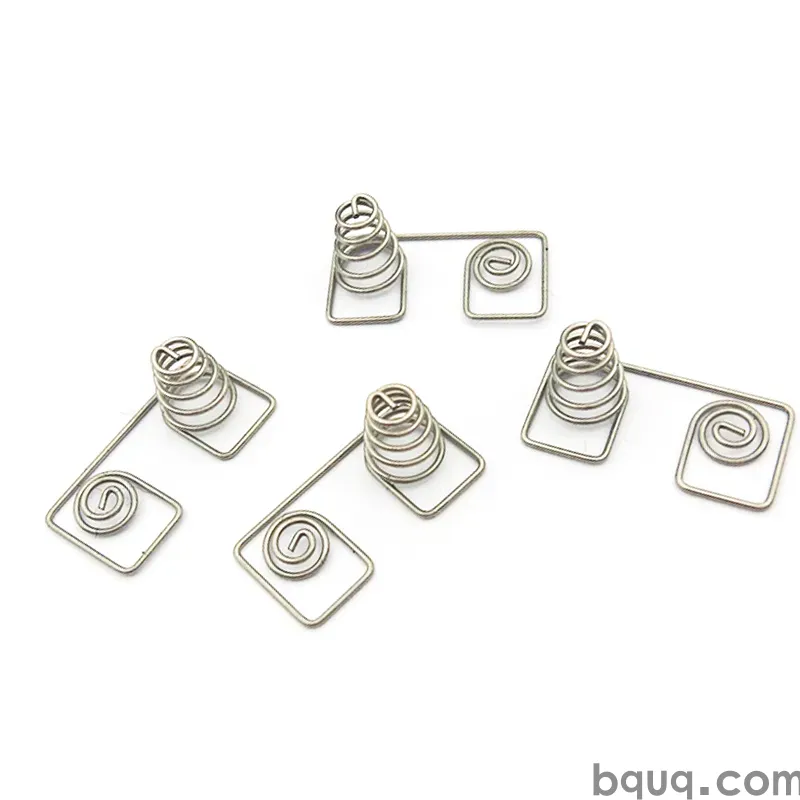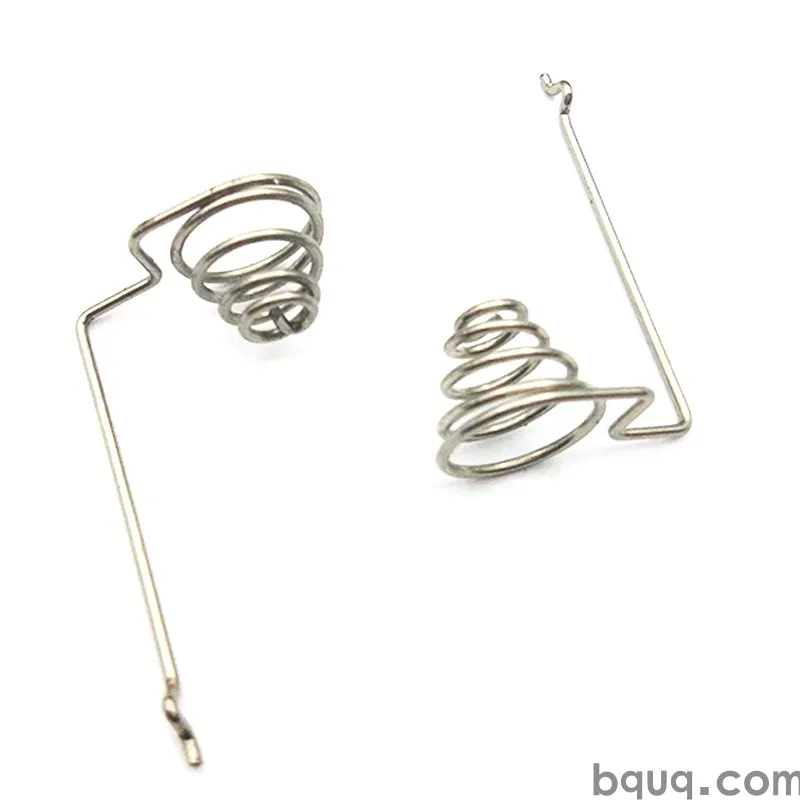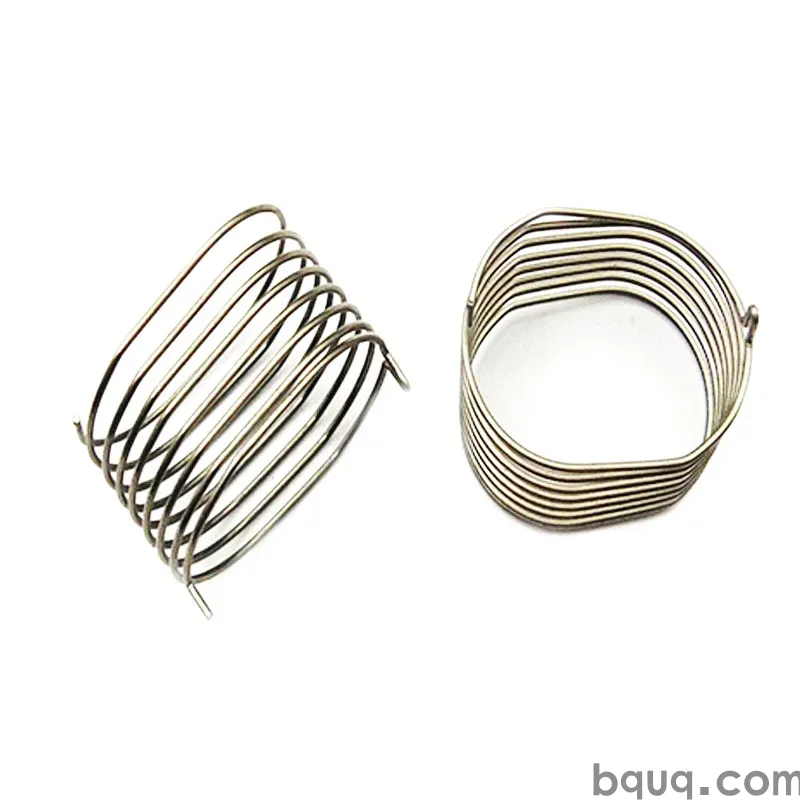
Prototipos de muelles personalizados sin herramental completo: bobinado CNC, reutilización de herramientas y cambios de alambre comparados. BQUQ (ISO9001, Dongguan) cotiza en 12 h.
Prototipos de Muelles Personalizados: Rutas Rápidas Sin Herramental Completo
Los prototipos de muelles personalizados no necesitan herramental completo: una bobinadora CNC puede producir de 1 a 100 muelles prototipo en días sin costo de herramental dedicado, y los cambios solo de alambre en un muelle existente son aún más rápidos. Las rutas típicas son el bobinado CNC para nuevas geometrías, la reutilización de la biblioteca de herramientas para piezas casi estándar y los cambios de diámetro de alambre para ajustes de constante elástica, con plazos de entrega de prototipos de 3 a 10 días y costos desde decenas hasta unos pocos cientos de dólares.
Prototipar un muelle es diferente de prototipar una pieza mecanizada. Las piezas mecanizadas se cortan de material sólido con el mismo proceso en cantidad 1 que en cantidad 10,000. Los muelles se forman con herramental que se configura según la geometría, por lo que la pregunta del prototipo es: ¿cómo se obtienen muelles reales (alambre real, constante real, carga real) antes de pagar por el herramental de producción? La respuesta depende de qué tan lejos esté su muelle de las formas estándar que una bobinadora puede producir con herramental ajustable.
Ruta Uno: Bobinado CNC Sin Herramental Dedicado
Las bobinadoras de muelles modernas son máquinas CNC que forman muelles a partir de alambre utilizando herramental programable: el punto de bobinado, la herramienta de paso y el cortador se mueven bajo control informático. Dentro de su rango de alambre y diámetro, pueden producir casi cualquier geometría helicoidal de compresión, extensión o torsión sin un formador dedicado. Esto hace que la primera pieza no tenga esencialmente costo de herramental: la configuración es programación, no fabricación de matrices. Esta ruta cubre la gran mayoría de los muelles prototipo desde 0.1 mm hasta aproximadamente 10 mm de alambre, siendo los muelles de compresión los más fáciles, y los de extensión y torsión con sus formas de extremo como la principal complicación.
| Tipo de muelle | Facilidad de prototipo CNC | Complicación principal |
|---|---|---|
| Compresión, extremos planos o cerrados | Fácil | Rectificado de extremos si se especifican planos |
| Compresión, extremos rectificados | Moderada | Se necesita un dispositivo de rectificado por debajo de ~0.5 mm |
| Extensión con ganchos | Moderada | Secuencia de formado de ganchos |
| Torsión con brazos | Moderada | Doblados y ángulos de brazos |
| Cónico / paso variable | Moderada | Más puntos de programa, prueba de curvas |
Conclusión: para un nuevo muelle de compresión, el bobinado CNC le da piezas reales casi de inmediato: el cronograma lo establecen la programación y los pasos de recubrimiento o rectificado, no la adquisición de herramental. El rectificado de extremos es el paso que más probablemente añada uno o dos días, porque los extremos rectificados necesitan un dispositivo y una segunda operación.
Ruta Dos: Reutilizar el Herramental Existente y Ajustar el Alambre
Si su muelle es similar a uno que la fábrica ya ha fabricado (misma familia de diámetros, mismo estilo de extremos), la ruta más rápida es la reutilización del herramental: ejecutar una configuración existente y ajustar el diámetro del alambre, el número de espiras o la longitud libre para alcanzar la nueva constante y carga. Dado que la constante escala con el diámetro del alambre a la cuarta potencia, un pequeño cambio de alambre mueve mucho la constante, y el número de espiras la ajusta finamente. Esta ruta puede poner muelles en sus manos en 3 a 5 días al menor costo, porque no hay nueva programación ni herramental en absoluto.
| Cambio deseado | Palanca | Velocidad | Efecto en el costo |
|---|---|---|---|
| Mayor constante | Alambre más grueso, menos espiras | Rápida | Costo del alambre ligeramente mayor |
| Menor constante | Alambre más delgado, más espiras | Rápida | Costo del alambre menor |
| Diferente longitud libre | Más/menos espiras, paso | Rápida | Ninguno |
| Diferente diámetro exterior | Diferente juego de herramental | Más lenta | Tiempo de configuración |
| Diferente estilo de extremo | Diferente formador/rectificadora | La más lenta | Nueva configuración o herramental |
Conclusión: informe a la fábrica la carga objetivo a la altura de trabajo y el espacio disponible, y deje que ellos propongan la combinación de alambre y espiras: muchos muelles "personalizados" están a un tamaño de alambre de distancia de una configuración estándar. El prototipo más rápido que obtendrá es aquel que no necesitó nuevo herramental ni nuevo programa. Esta también es la forma más económica de explorar el espacio de diseño: obtenga tres variantes de constante a la vez y pruebe cuál se siente mejor en el mecanismo.
Ruta Tres: Cuándo Sí Necesita Herramental
El herramental dedicado aparece cuando la geometría sale del rango ajustable de las bobinadoras estándar: secciones de alambre inusuales, diámetros muy grandes, formas de extremo complejas para muelles de extensión, o formas que requieren matrices de formado personalizadas. El costo del herramental para muelles sigue siendo pequeño en comparación con el herramental de moldeo o estampado (típicamente de unos pocos cientos a un par de miles de dólares), y se justifica cuando el volumen es lo suficientemente alto como para que el costo por pieza importe, o cuando la geometría simplemente no se puede hacer con herramental ajustable. La regla de decisión es el volumen y la geometría, no la preferencia.
| Volumen (pzs/año) | Ruta recomendada |
|---|---|
| 1–100 | Bobinado CNC, sin herramental |
| 100–1,000 | Bobinado CNC o reutilización de herramental |
| 1,000–10,000 | Considere herramental ligero si la geometría es estable |
| 10,000+ | Herramental dedicado, negocie la propiedad del herramental |
| Geometría fuera del rango de la bobinadora | Herramental independientemente del volumen |
Conclusión: a bajo volumen, pague por muelles, no por herramental: el bobinado CNC hace innecesario el herramental. A medida que el volumen supera unos pocos miles de piezas, el ahorro por pieza de una configuración dedicada comienza a amortizarse; ese es el momento de pedir a la fábrica una comparación de fabricar versus herramientar con números reales sobre su geometría. Cuando se construya el herramental, ponga por escrito los términos de propiedad y almacenamiento: es su geometría y su dinero.
Qué Enviar para que el Prototipo Sea Correcto a la Primera
Una solicitud de prototipo de muelle necesita seis cosas: el diámetro del alambre o el espacio disponible (límites de diámetro exterior y longitud libre), la carga a la altura de trabajo con tolerancia, el recorrido de trabajo u objetivo de constante, el estilo de extremo (plano, cerrado, rectificado, ganchos, brazos), el material con cualquier requisito de corrosión o temperatura, y la cantidad para pruebas. Los elementos faltantes fuerzan suposiciones, y en los muelles las suposiciones recaen sobre la fuerza, que es el único número que no se puede adivinar. Si solo conoce el espacio y la fuerza que necesita, eso es suficiente: una buena fábrica propondrá el alambre, el número de espiras y el material para lograrlo.
El ciclo de verificación en los muelles prototipo es corto: mida la carga a la altura de trabajo y la constante en las muestras, compare con la necesidad del mecanismo e itere el alambre o el número de espiras si la fuerza no coincide. La mayoría de los prototipos de muelles convergen en una a tres iteraciones porque las palancas son muy directas: un tamaño de alambre más o menos, un par de espiras más o menos. Presupueste ese ciclo y la pieza final llevará tolerancia en lugar de sorpresas. Las pruebas de muelles en las muestras son lo que cierra el ciclo antes de comprometerse con las tolerancias de producción.
BQUQ prototipa muelles personalizados bajo ISO9001 en Dongguan: bobinado CNC para nuevas geometrías sin cargo de herramental, reutilización de la biblioteca de herramientas para piezas casi estándar y un cronograma de prototipos de 3 a 10 días según los extremos y el acabado. Envíe el dibujo o solo los objetivos de espacio y fuerza a sc@bquq.com o WhatsApp +86 13713157787: la cotización regresa dentro de las 12 horas hábiles con el alambre, material y ruta de prototipo recomendados, y los datos de carga de las muestras siguen con las piezas.
P: ¿Los prototipos de muelles personalizados requieren herramental?
Generalmente no. Las bobinadoras CNC de muelles producen la mayoría de las geometrías solo con programación, por lo que los prototipos de 1 a 100 piezas no conllevan costo de herramental. El herramental dedicado aparece solo para geometrías fuera del rango de la bobinadora o volúmenes lo suficientemente altos como para justificarlo.
P: ¿Qué tan rápido puedo obtener muelles prototipo?
Típicamente de 3 a 10 días: lo más rápido para muelles de compresión en configuraciones existentes, más lento cuando el rectificado de extremos, ganchos, brazos de torsión o geometrías inusuales añaden operaciones. La programación CNC añade días, no semanas, nada que ver con los plazos de herramental de moldeo o estampado.
P: ¿Cuánto cuesta un prototipo de muelle?
Desde decenas de dólares por un muelle de compresión simple fabricado en una configuración existente hasta unos pocos cientos por extremos o materiales complejos. Dado que el bobinado CNC no necesita herramental, el costo es el alambre, la programación y el tiempo de configuración, lo suficientemente bajo como para probar varias variantes de constante a la vez.
P: ¿Puedo prototipar con un diámetro de alambre diferente al de producción?
Sí, y a menudo es el primer movimiento más inteligente: el diámetro del alambre impulsa la constante a la cuarta potencia, por lo que pequeños cambios de alambre exploran el espacio de la constante económicamente. Solo recuerde que el diseño final debe validarse con el alambre, material y proceso de producción.
P: ¿Cuántas iteraciones debo esperar?
De una a tres. Las palancas son directas (tamaño del alambre, número de espiras, longitud libre) y cada ronda de prototipo proporciona datos de carga medidos que señalan el siguiente cambio. Las pruebas de prototipos son exactamente donde el costo de iteración es más bajo.
Escrito por el Equipo de Ingeniería de BQUQ. BQUQ es una fábrica fuente certificada ISO9001 en Dongguan, China, que opera líneas de mecanizado CNC, estampado de metales, muelles personalizados, disipadores de calor y pinzas bajo un mismo techo. Envíe dibujos a sc@bquq.com o WhatsApp +86 13713157787 para una cotización dentro de las 12 horas hábiles. www.bquq.com