Evalúe a los fabricantes chinos de piezas de precisión: ajuste del proceso, evidencia de tolerancias, ISO 9001, informes por lote. Vea cómo la fábrica BQUQ en Dongguan puntúa en cada criterio.
Fabricantes Chinos de Piezas de Precisión: Cómo Saber Quién Puede Entregar Realmente
Un fabricante chino de piezas de precisión que realmente puede entregar demuestra tres cosas en un solo ciclo de cotización: un alcance de proceso que realmente coincide con su pieza, una afirmación de tolerancia respaldada por un método de inspección descrito, y una lista de preguntas sobre su plano. Las afirmaciones sin evidencia son la norma en este mercado, no la excepción. Una fábrica que responde a sus preguntas con documentos, números y planos — no con adjetivos — es la que merece la pena probar con un pedido de prueba.
"Piezas de precisión" suena como una sola categoría. En la práctica, son una docena de oficios diferentes que comparten la palabra "precisión": torneado CNC, fresado CNC, estampado metálico, fabricación de muelles, fabricación de disipadores de calor y varios pasos de acabado. Cada uno tiene su propia física de tolerancias, su propia economía de utillaje y sus propios modos de fallo. El primer error que cometen los compradores es tratar a todas las fábricas que dicen "piezas de precisión" como intercambiables. No lo son. El segundo error es juzgar la capacidad desde un sitio web en lugar de desde la evidencia.
Qué Cubre Realmente "Piezas de Precisión"
Un proveedor de piezas de precisión suele ser fuerte en uno o dos procesos principales y adecuado en el resto. Esto importa porque la tolerancia depende del proceso. Un taller CNC que mantiene ±0.005 mm en características torneadas no le dice nada sobre si la misma empresa puede mantener una planitud de ±0.05 mm en un soporte estampado — eso es habilidad en el diseño de matrices, selección de prensa y control de material, un conjunto de herramientas completamente diferente.
| Proceso | Rango de tolerancia típico (producción) | Qué determina el resultado |
|---|---|---|
| Torneado / fresado CNC | ±0.01–0.05 mm estándar; ±0.005 mm en el extremo superior | Rigidez de la máquina, utillaje, temperatura, verificación con CMM |
| Estampado metálico de precisión | ±0.05–0.1 mm estándar; ±0.02 mm con matrices de precisión | Precisión de la matriz, estado de la prensa, control del espesor del material |
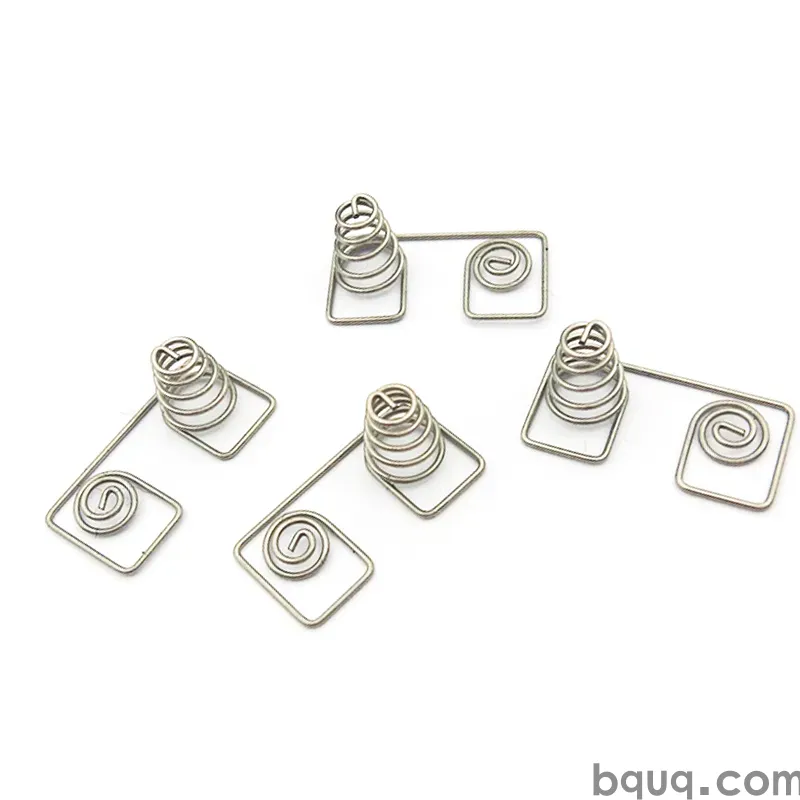
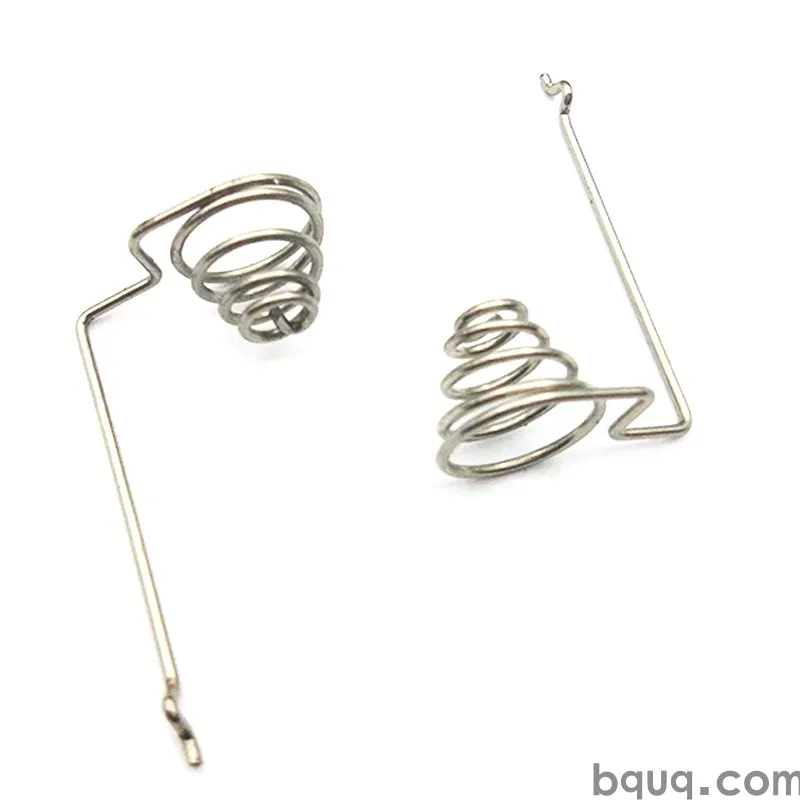
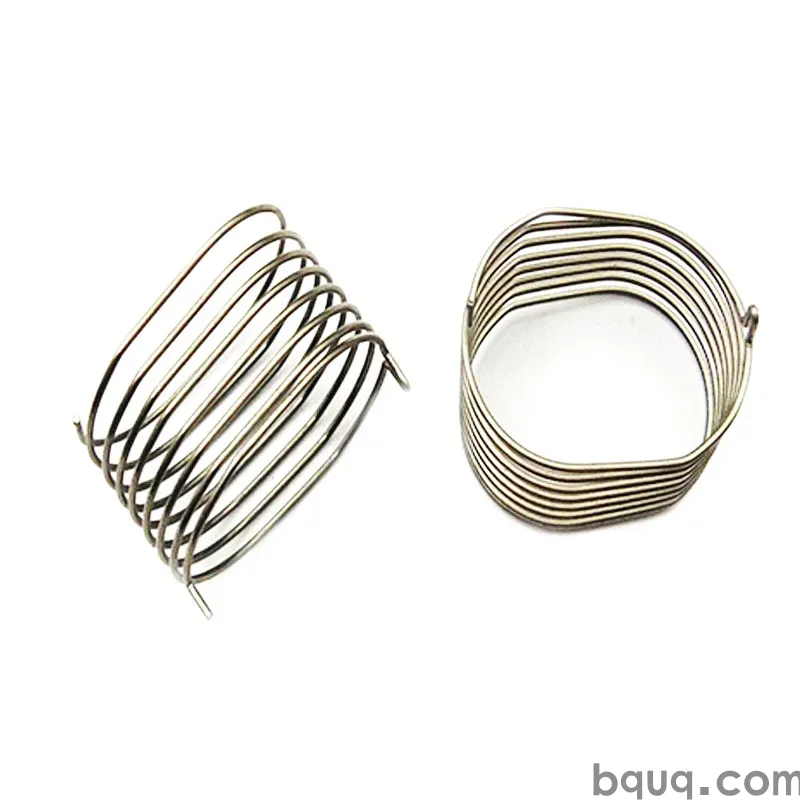
| Muelles personalizados | Carga ±5–10%, longitud libre ±0.3–1 mm típico | Tolerancia del alambre, configuración de la máquina bobinadora, tratamiento térmico |
| Disipadores extruidos / mecanizados | Perfil ±0.1–0.3 mm; caras mecanizadas ±0.05 mm | Diseño de la matriz, mecanizado, enderezado |
| Fundición a presión (a menudo subcontratada) | ±0.1–0.3 mm típico | Desgaste del utillaje, aleación, control del proceso |
La conclusión: las afirmaciones de tolerancia solo tienen sentido en relación con un proceso. Pida a un fabricante de muelles que mantenga ±0.005 mm y obtendrá una mirada vacía; pídalo a un taller CNC y debería obtener un sí directo con un precio adjunto. Primero haga coincidir el proceso con la característica, luego juzgue la fábrica.
El Marco de Evaluación de Seis Preguntas
Antes de comparar precios, compare las respuestas a seis preguntas. Este marco es deliberadamente neutral — funciona con cualquier proveedor en cualquier país.
1. Ajuste del proceso. ¿La fábrica ejecuta el proceso principal que su pieza necesita, o lo subcontratará? Una fábrica que externaliza su operación principal se convierte en un intermediario en ese trabajo, con un margen adicional y una capa extra de falta de comunicación.
2. Evidencia de tolerancia. Cuando usted indica una tolerancia crítica, ¿el proveedor la confirma por escrito y explica cómo se medirá? Esté atento a las suposiciones silenciosas — una cotización que nunca menciona su requisito más estricto es una cotización basada en la interpretación laxa.
3. Sistema de calidad. ¿Existe un SGC certificado y su alcance cubre su tipo de producto? Los certificados ISO 9001 son comunes; la cuestión es si la línea de alcance y el historial de auditorías coinciden con lo que usted está comprando.
4. Capacidad de inspección. ¿Qué instrumentos existen en el sitio — CMM, proyector óptico, durómetro, rugosímetro, probadores de carga para muelles? ¿Y la fábrica ofrece informes de inspección por lote, o solo bajo petición?
5. Comunicación de ingeniería. ¿El proveedor pregunta sobre el grado del material, condiciones de borde, galvanizado o la intención de ensamblaje? Hacer preguntas es el predictor más barato de la calidad de entrega.
6. Transparencia comercial. ¿Están documentados los términos de pago, la propiedad del utillaje, el plazo de entrega y el manejo de revisiones? Los términos verbales no son términos.
Convirtiendo Afirmaciones de Tolerancia en Evidencia
Cada afirmación de capacidad se corresponde con un documento o una prueba que usted puede solicitar. Si el documento no existe, la afirmación es una aspiración, no una capacidad.
| Afirmación que escuchó | Evidencia a solicitar | Qué verificar |
|---|---|---|
| "Mantenemos tolerancias estrictas" | Un informe de inspección dimensional o informe CMM anterior | ¿Aparecen números reales, con nombres de características e instrumentos listados? |
| "Estamos certificados ISO 9001" | Una copia del certificado | Línea de alcance, organismo emisor, fechas de validez (consulte nuestra guía de verificación ISO 9001) |
| "El material es como se especifica" | Certificado de prueba del molino / MTR con número de colada | Grado, composición química y si coincide con su especificación |
| "Las piezas se inspeccionan antes del envío" | Un informe de lote de muestra o declaración del método de inspección | Qué dimensiones, qué instrumentos, qué tamaño de muestra |
| "Hicimos piezas como las suyas" | Fotos de casos con detalle del proceso, o una orden de referencia | Busque evidencia del proceso, no renderizados |
La regla de seguimiento: cada afirmación que le importa se convierte en una línea en la orden de compra. Si los informes de inspección por lote son importantes, pertenecen a la OC, no a una promesa.
Una Tabla de Puntuación que Puede Usar
Puntuar le obliga a comparar proveedores en los mismos ejes en lugar de por corazonadas. Pondere las filas para que coincidan con sus prioridades — un comprador de 5,000 piezas estampadas pondera el ajuste del proceso de manera diferente a un comprador de 50 prototipos CNC.
| Criterio | Peso (sugerido) | Aprobado (2) | Parcial (1) | Fallido (0) |
|---|---|---|---|---|
| Ajuste del proceso — ejecuta su proceso principal internamente | 25% | Línea interna confirmada | Parcialmente, algo subcontratado | Totalmente subcontratado / intermediario |
| Evidencia de tolerancia — confirmación escrita + método de medición | 20% | Escrito + instrumento nombrado | Solo verbal | No abordado |
| Sistema de calidad — el alcance del certificado coincide con el producto | 15% | Certificado, alcance coincide | Certificado, alcance poco claro | Sin certificado ofrecido |
| Informes de inspección — informes por lote ofrecidos | 15% | Ofrecido como estándar | Disponible con costo adicional | No disponible |
| Comunicación de ingeniería — se hacen preguntas reales | 15% | 3+ preguntas sobre el plano | Preguntas genéricas | Sin preguntas |
| Términos comerciales — escritos e inequívocos | 10% | Términos escritos completos | Parciales | Solo verbal |
Puntúe a cada proveedor, luego hable con los dos primeros — no con el más barato. Un proveedor con una puntuación inferior al 60% le costará más en gestión de urgencias, retrabajo y confianza de lo que la diferencia de precio jamás ahorrará.
Aplicando el Marco: Un Ejemplo en Dongguan
Para mostrar cómo se ve una puntuación aprobatoria en la práctica, aquí está cómo un proveedor responde a las seis preguntas. BQUQ es una fábrica de mecanizado y piezas metálicas en Dongguan, China, y las respondemos de la siguiente manera: operamos líneas de torneado CNC, fresado CNC, estampado metálico, muelles personalizados y disipadores de calor bajo un mismo techo, por lo que su proceso principal es interno en lugar de intermediado; nuestra tolerancia de producción para características mecanizadas críticas es de ±0.005 mm, verificada con CMM, y la escribiremos en la cotización; estamos certificados ISO 9001 y le mostraremos el certificado y su alcance antes de que se comprometa; cada lote se envía con un informe de inspección dimensional que cubre las características acordadas; nuestros ingenieros devuelven preguntas sobre el plano dentro del ciclo de cotización — generalmente el mismo día; y los términos comerciales, incluida la propiedad del utillaje y el pago, se confirman por escrito antes de que comience la producción.
Nada de eso es una razón para confiar en nosotros ciegamente. Es una lista de verificación que puede verificar: pida el certificado, pida un informe CMM de muestra, pida un pedido de prueba con un informe de inspección que pueda auditar. El marco anterior funciona con nosotros igual que con cualquier fábrica — y si desea ver la vista completa del proceso, nuestras páginas de piezas de torneado CNC y disipadores estampados muestran el alcance del producto, mientras que nuestro perfil de empresa documenta la certificación ISO 9001 y las más de cuatro líneas de producción. Para una mirada más profunda sobre cómo se verifican las fábricas antes de los pedidos, lea nuestra lista de verificación de auditoría de fábricas y la comparación de Dongguan vs Shenzhen vs Ningbo como bases de abastecimiento.
Preguntas Frecuentes
P: ¿Qué cuenta como tolerancia de "precisión" en la fabricación de piezas metálicas?
En el mecanizado CNC, las características con ±0.01 mm o menos generalmente se consideran trabajo de precisión, siendo ±0.005 mm el extremo superior práctico para la producción. En el estampado, ±0.05 mm ya es exigente. Siempre compare la tolerancia con el proceso, no con el lenguaje de marketing.
P: ¿Por qué las fábricas chinas cotizan precios mucho más bajos — es un riesgo de calidad?
La mano de obra más barata, la integración vertical y la escala son razones reales para los precios más bajos. El riesgo no es el país, es el proveedor. Verifique con un lote de prueba documentado y medición independiente antes de escalar un pedido, independientemente de dónde se encuentre la fábrica.
P: ¿Debo juzgar una fábrica por su sitio web o por sus preguntas?
Por sus preguntas. Una fábrica que pregunta sobre el grado del material, tolerancias, galvanizado e intención de ensamblaje durante la cotización tiene personal de ingeniería comprometido con su pieza. Un sitio web es un folleto; un hilo de correo electrónico es evidencia.
P: ¿Necesito un proveedor separado para CNC, estampado y muelles?
No necesariamente. Cuando los volúmenes son moderados y las piezas interactúan — un contacto estampado ensamblado en una carcasa mecanizada, un muelle asentado en una pieza torneada — una fábrica que opera múltiples líneas bajo un mismo techo elimina la logística y la acumulación de tolerancias entre proveedores. Compare eso con los precios de especialistas antes de decidir.
P: ¿Cuál es la forma más rápida de probar un nuevo proveedor chino de piezas metálicas?
Un pequeño pedido de prueba pagado: una o pocas piezas con tolerancia de producción, con un informe de inspección escrito que pueda auditar e, idealmente, medición independiente. BQUQ cotiza a partir de planos dentro de las 12 horas hábiles (sc@bquq.com, WhatsApp +86 13713157787) — la cotización rápida es en sí misma una prueba de si la ingeniería está realmente mirando su archivo.
Redactado por el Equipo de Ingeniería de BQUQ. BQUQ es una fábrica fuente certificada ISO9001 en Dongguan, China, que opera líneas de mecanizado CNC, estampado metálico, muelles personalizados, disipadores de calor y pinzas bajo un mismo techo. Envíe planos a sc@bquq.com o WhatsApp +86 13713157787 para una cotización dentro de las 12 horas hábiles. www.bquq.com