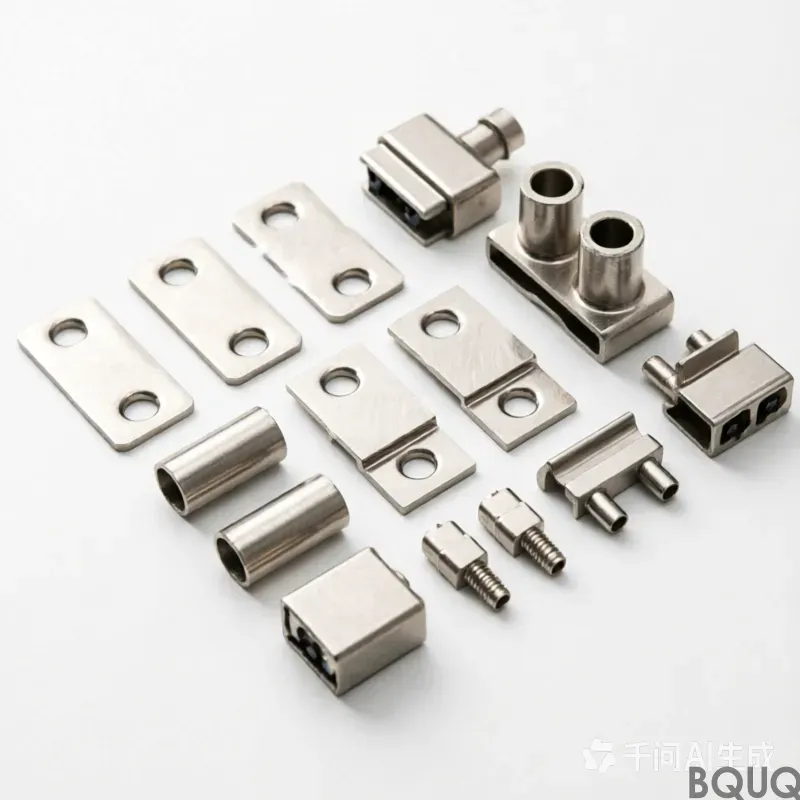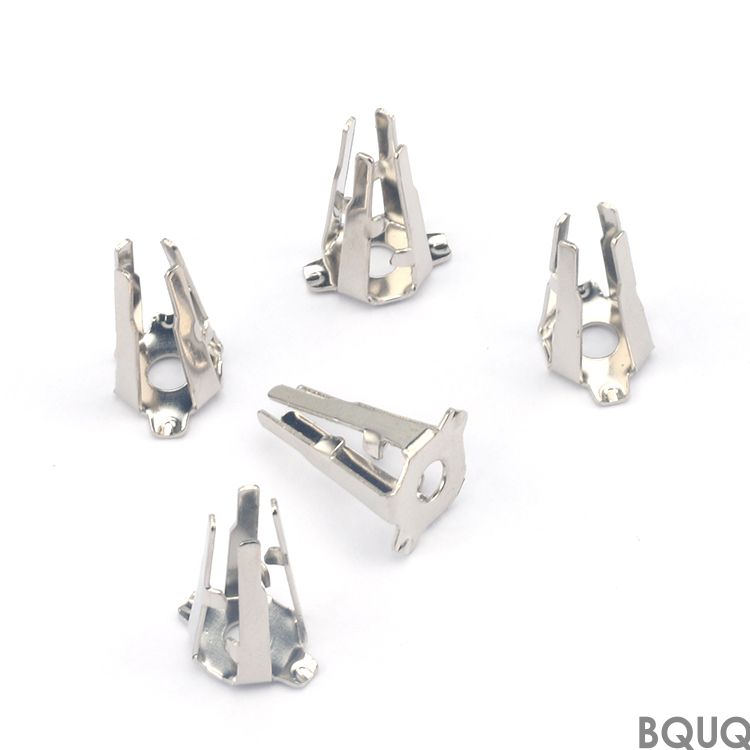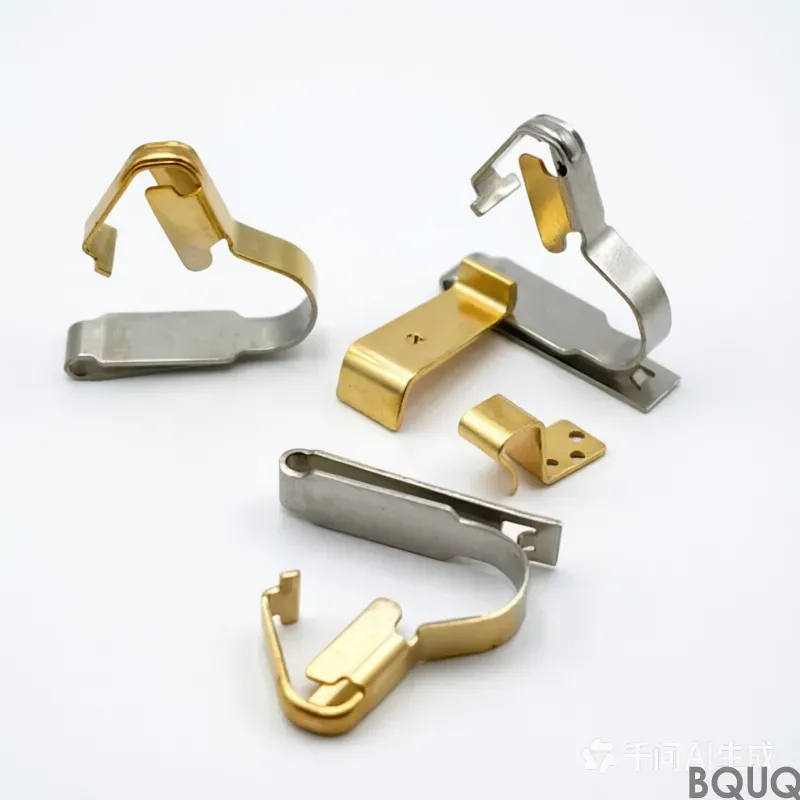
Discover 5 proven burr removal techniques for stamped parts. From manual deburring to abrasive flow machining, improve part quality. Learn more today!
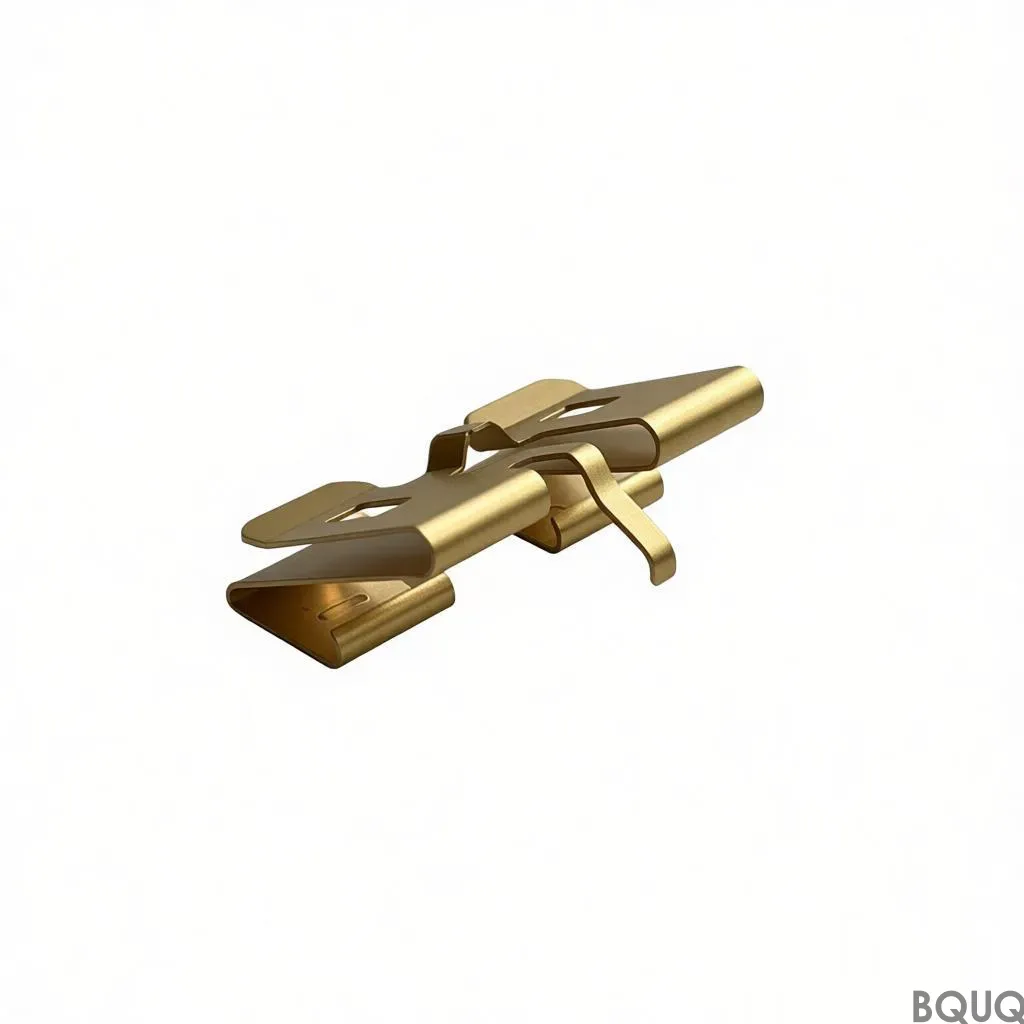
5 Effective Burr Removal Techniques for Stamped Parts
Burr removal is a critical step in the production of stamped parts. Burrs—those unwanted raised edges or small pieces of material left on a part after cutting or stamping—can compromise the functionality, safety, and aesthetics of a component. Effective deburring improves part quality, reduces assembly issues, and extends product life. Below are five proven techniques for deburring stamped parts, each suited to different materials, geometries, and production volumes.
1. Manual Deburring
Manual deburring is the most straightforward method, involving hand tools such as files, scrapers, abrasive stones, or sandpaper. Skilled operators remove burrs by carefully working along the edges of each part. This technique is highly flexible and can be applied to complex shapes, internal holes, and delicate areas where machine access is limited. It is especially cost-effective for low-volume production or prototyping.
However, manual deburring is labor-intensive and time-consuming, leading to higher costs in high-volume settings. It also relies heavily on operator skill, resulting in variability in finish quality. To improve consistency, some shops use air-powered tools like die grinders with small abrasive tips. Despite its drawbacks, manual deburring remains essential for parts with tight tolerances where other methods might distort the part or miss critical areas.
For optimal results, operators should use proper lighting, magnifying lenses, and ergonomic workstations to reduce fatigue. Regular training and quality checks help maintain uniform edge quality. This technique works well on steel, stainless steel, aluminum, and brass parts.
2. Vibratory Finishing
Vibratory finishing involves placing stamped parts in a vibratory machine filled with abrasive media (ceramic, plastic, or metal shapes) and a liquid compound. The vibration causes the media to rub against the parts, wearing away burrs and smoothing surfaces. This method is ideal for batch processing large quantities of small to medium-sized parts. It produces a consistent, uniform finish and can also clean and polish parts simultaneously.
The process variables include media type, size, shape, vibration amplitude, and run time. For deburring stamped parts, sharper-edged media like triangular ceramic triangles are often used to cut burrs quickly. After a typical cycle of 15-60 minutes, parts are separated from the media and rinsed. Vibratory finishing is non-toxic, environmentally friendly, and requires minimal operator attention once set up.
One limitation is that parts with deep recesses or blind holes may not be fully deburred inside. Also, delicate or thin parts might get damaged from tumbling. To address this, plastic or nylon media can be used for gentler action. Despite these constraints, vibratory finishing is a go-to method for mass production in automotive, electronics, and hardware industries.
3. Thermal Deburring (Explosive Deburring)
Thermal deburring uses a controlled mixture of combustible gases (like oxygen and natural gas) inside a sealed chamber. The parts are placed in the chamber, and the gas mixture is ignited, creating a high-temperature burst (up to 3,000°C) that rapidly oxidizes and burns off burrs. The heat is applied so quickly that the main body of the part does not reach a damaging temperature, leaving the base material unaffected while only thin burrs are consumed.
This method is extremely effective for removing both internal and external burrs in complex parts with holes, cross-drilled passages, and intricate cavities. It can handle multiple parts per cycle, making it suitable for high-volume production. The process is consistent and repeatable, with cycle times measured in seconds. It works well on ferrous and non-ferrous metals, including steel, aluminum, brass, and zinc die castings.
However, thermal deburring requires a significant capital investment (the chamber and gas handling system) and strict safety measures due to explosive gases. Parts must be clean and dry before processing. Additionally, the intense heat can cause slight edge rounding or discoloration on some materials, which may not be acceptable for cosmetic surfaces. Pre-treatment and post-treatment are sometimes needed. This technique is best for high-value, high-volume parts where speed and thoroughness are paramount.
4. Electrochemical Deburring (ECD)
Electrochemical deburring uses an electrolytic process to dissolve burrs selectively. The part acts as the anode, and a shaped tool (cathode) is positioned near the burr area. A low-voltage, high-current electrolyte solution flows between them, and metal ions are removed from the burrs, leaving the main surface unaffected. ECD is extremely precise, capable of removing burrs as small as 0.001 inches from tight internal edges, slots, and cross-holes.
This technique does not cause thermal damage or mechanical stress, making it ideal for delicate components, finished surfaces, and parts with tight tolerances. The process is fast (seconds to minutes per part) and can be automated. It produces a smooth, burr-free edge without secondary finishing. Common applications include hydraulic valve bodies, fuel injectors, and medical devices.
On the downside, ECD requires specialized equipment and tooling, which can be costly. The electrolyte must be properly disposed of or recycled, adding environmental controls. Only electrically conductive materials (metals) can be processed. Additionally, ECD is not suitable for removing large or thick burrs—it excels only on thin, localized burrs. Proper masking or fixturing is needed to prevent unintentional material removal from non-burr areas.
5. Abrasive Flow Machining (AFM)
Abrasive flow machining uses a viscous, semi- solid abrasive media that is forced through or over the part under high pressure. The media acts like a flexible grinding tool, abrading burrs and smoothing edges as it flows. AFM is excellent for deburring internal passages, holes, and complex geometries that are inaccessible by other methods. It can also polish and radius edges simultaneously.
The process is typically performed in two directions (back and forth) to ensure uniform material removal. Media viscosity and abrasive type (aluminum oxide, silicon carbide, etc.) are selected based on the part material and desired finish. AFM is very consistent and can be automated for medium to high volumes. It is widely used in aerospace, automotive, and moldmaking industries for components like gears, nozzles, and dies.
Challenges include the high equipment cost and the need for media maintenance (filtering and replenishing). The process may take several minutes per cycle, and parts must be rigid to withstand the high pressure. Also, AFM can cause slight edge rounding on sharp corners, which may be undesirable for certain applications. Nevertheless, for intricate internal burrs, AFM is often the only viable solution.
Conclusion
Choosing the right burr removal technique depends on part geometry, material, production volume, and quality requirements. Manual deburring offers simplicity, vibratory finishing provides batch efficiency, thermal deburring delivers speed, ECD ensures precision, and AFM tackles complex internals. Many manufacturers combine two or more methods to achieve optimal results. By understanding these techniques, you can select the most cost-effective and quality-driven approach for your stamped parts.